
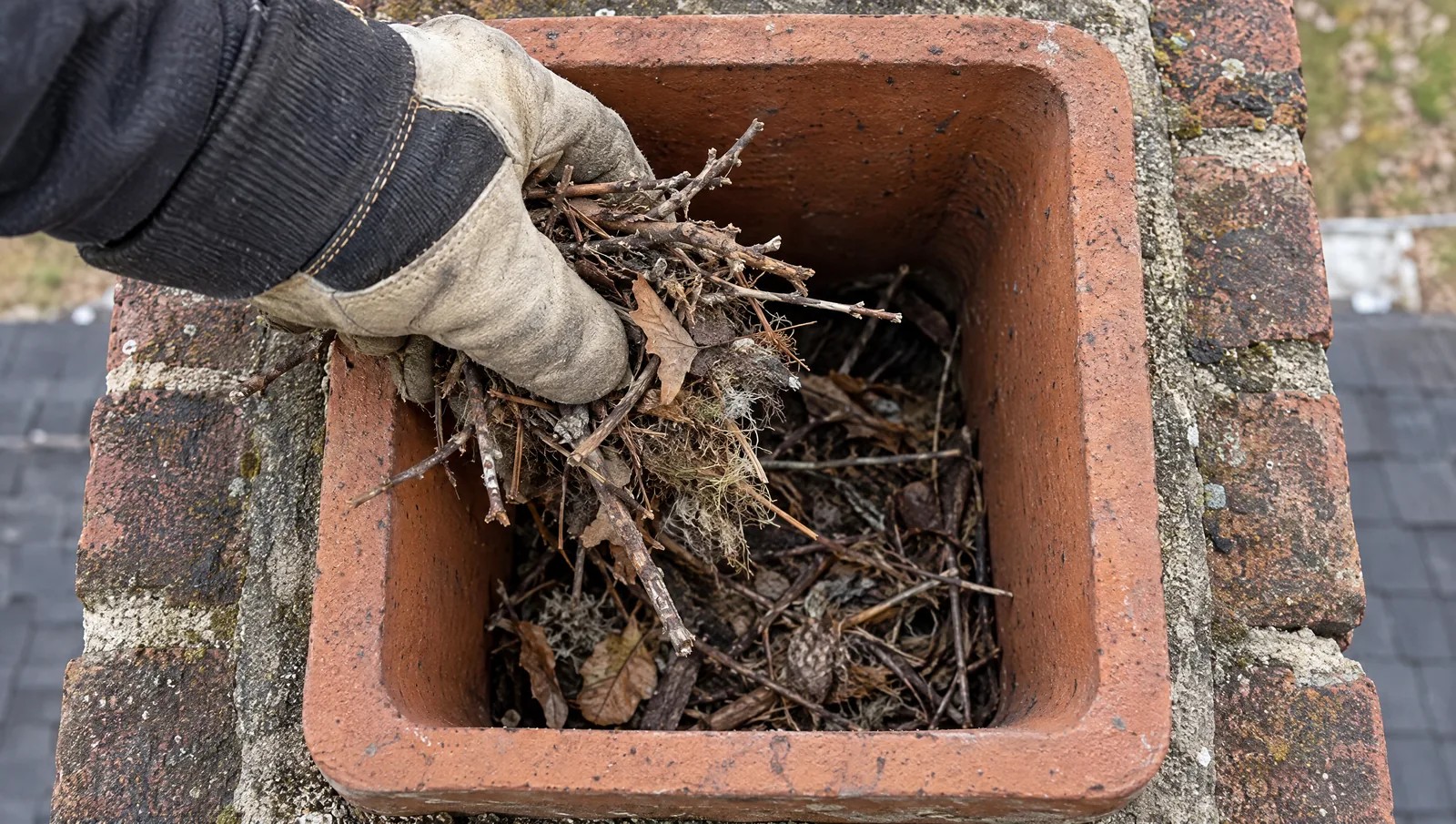
An open chimney looks like a hollow tree to a bird or a squirrel. It is dry, high off the ground and sheltered from wind. If a Clifton chimney has no cap, or the cap has rusted through, it is only a matter of time before something moves in or drops in. The fix is to clear the flue safely and then close the top with a sound cap so it does not happen again.
Why Clifton chimneys get so many visitors
Clifton is a large city, more than eleven square miles, but it has a surprising amount of green space mixed into its neighborhoods. Garret Mountain Reservation, a 568-acre wooded park on the First Watchung Mountain, extends into the city and borders the Albion Place neighborhood in the northwest. Birdwatchers there log well over a hundred species a year, many of them songbirds stopping during migration. Weasel Brook Park, a county park designed by the Olmsted Brothers firm, follows Weasel Brook toward the river, and the Passaic River forms part of the northeastern boundary.
All that tree cover and water is good news for wildlife and for the people who live near it. It also means plenty of birds, squirrels and raccoons looking for a sheltered spot, and plenty of leaves and twigs blowing onto rooftops every fall. A chimney top with no cap catches both.
What usually ends up in the flue
Birds. Starlings, sparrows and pigeons will build nests on the smoke shelf or on top of a damper. Chimney swifts are a special case. They are small, dark birds that spend the warm months flying over towns and roost and nest inside chimneys. They are protected under the federal Migratory Bird Treaty Act, so an active nest with eggs or young should not be disturbed.
Squirrels and raccoons. Squirrels often fall in and cannot climb back up a smooth liner. Raccoons can climb in and out of a masonry flue and sometimes raise young on the smoke shelf in spring.
Nesting material and leaves. Even after the animals leave, the twigs, grass and leaves stay behind. In a fall with heavy leaf drop, an uncapped flue can collect a surprising amount on its own.
Why a blocked chimney is a safety problem
- Smoke and carbon monoxide come back in. A nest can choke the flue enough that smoke from the fireplace, or exhaust from a furnace or water heater on the same chimney, has nowhere to go but back into the house.
- Nest material burns. Dry twigs and grass sitting near the damper catch easily from the first fire of the season.
- Odors and pests. A dead animal in a flue smells strongly, and old nests can carry mites and other parasites into the house.
- Damage to the system. Raccoons tear at dampers and insulation, and some animals scratch at the flue liner.
If you hear something in the chimney
- Keep the damper and any glass doors closed. You do not want an animal loose in the house.
- Do not light a fire to drive it out. A frightened animal can get stuck lower down, a nest can ignite, and the smoke has nowhere to go.
- Listen for the pattern. High-pitched chattering that rises and falls through the day in summer is usually young swifts begging for food. Scratching and thumping is more likely a squirrel or raccoon.
- If it is swifts, wait. The young leave the nest within weeks, and the adults leave in the fall. After that the nest can be removed and the chimney swept and capped.
- For anything else, get help. A trapped squirrel or a raccoon with young needs a careful, humane removal, and wildlife control may be the right first call. Once the animal is out, the flue should be swept and checked.
Keeping the chimney clear for good
The single best prevention is a proper cap: a solid lid over the flue with stainless steel mesh on all sides. It keeps out animals, leaves and rain. Metal-lined chimneys should always be capped, because birds that get into a smooth metal liner often cannot climb back out. If you already have a cap, check it from the ground every season. Bent mesh, rust holes or a cap tilted by wind all leave a gap.
It also helps to sweep the chimney once nesting season is over, so anything that got in during the year comes out before the heating season. A camera inspection can confirm that nothing is left on the smoke shelf or wedged in the flue. Cap replacement and damper repair are covered on our chimney repair page.
If something has moved into a Clifton chimney, or you simply cannot remember the last time anyone looked at the top of it, see our Clifton chimney sweep page or call (973) 786-9077.
Hearing something in the chimney?
We can clear the flue, check the cap and tell you how to keep animals out. The estimate is free.
Chimney sweep in Clifton Get a Free EstimateMore reading: why a fireplace smells in summer · chimney crown and cap care