You need a Level 2 chimney inspection when something about the house or the chimney changes: the home is being sold or bought, a heating appliance is added or replaced, the fuel type changes, or the chimney has been through a chimney fire, a storm or another event that could have damaged it. For a chimney in regular use where nothing has changed, a Level 1 inspection is normally enough. Below is how the three levels differ, what each one costs with us, and how to tell which one fits.
The three inspection levels
The levels come from NFPA 211, the national fire safety standard for chimneys, fireplaces and vents. Each level includes everything in the one below it and goes further.
Level 1: the routine check
A Level 1 inspection looks at the readily accessible parts of the chimney, the fireplace or appliance, and the connection between them. Its purpose is to confirm the structure is sound and the flue is clear of blockages and combustible deposits. It suits a chimney that is used the same way year after year. With us, a Level 1 inspection is free.
Level 2: the deeper look
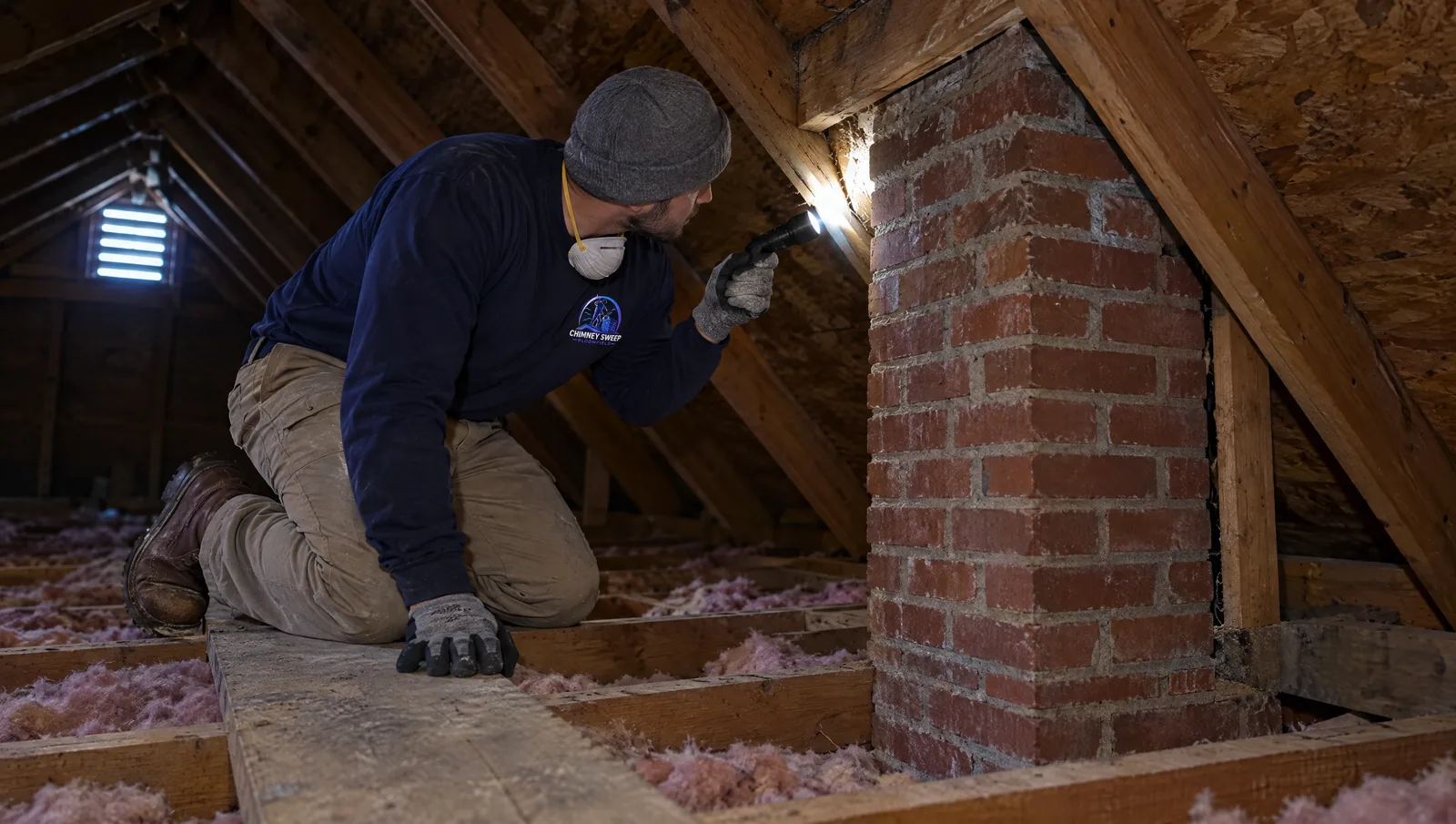
A Level 2 inspection adds the accessible parts of the chimney inside the attic, the basement and any crawl spaces, where clearances to wood framing can be checked. It also includes a camera run through the flue so the liner can be seen from top to bottom. Our Level 2 inspection costs $350.
Level 3: opening things up
A Level 3 inspection is for cases where a serious hidden problem is suspected and the only way to confirm it is to remove part of the chimney or the building, such as a section of wall or the crown. It is rarely the first step. We price Level 3 inspections by estimate, based on the square footage of the home, the number of levels and the size of the chimney.
Situations that call for a Level 2
- Selling or buying a home. NFPA 211 lists the sale or transfer of a property as a reason for a Level 2. A general home inspection usually views the chimney from the roof or the ground and cannot say whether the liner inside is cracked.
- A new or different heating appliance. Replacing a furnace or boiler, adding a wood or pellet stove, installing a gas insert, or switching from oil to gas all change what the flue has to handle. The size and condition of the flue need to suit the new equipment.
- After a chimney fire. A chimney fire can crack liner tiles in seconds, and the damage is often invisible from the fireplace. A loud roaring sound, dense smoke, or puffy, burned flakes of creosote around the chimney are signs one may have happened.
- After a storm or other damage. A lightning strike, a falling limb or a hard impact on the roof can shift masonry and crack a liner.
- When a Level 1 raises a question it cannot answer. If a sweep sees signs of trouble but cannot see far enough to judge them, a Level 2 is the next step.
What you get afterward
A useful Level 2 ends with findings you can see and understand: a written list of what was checked, what is in good condition and what needs attention, along with photos or video from inside the flue. If you are buying a house, that gives you something concrete to bring to the seller. If you are adding an appliance, it tells the installer whether the existing flue can be used as it is or needs a liner first.
How to get ready for the inspection
- Stop using the fireplace or stove a day ahead so the firebox and flue are cool.
- Clear a path to the fireplace, the furnace or water heater, and the attic hatch.
- Have any history you know handy: when the chimney was last swept, past repairs, and which appliance vents into which flue.
- If you are buying, get the seller's permission early so the inspection fits inside your inspection window.
Is it worth paying for when a Level 1 is free?
For an unchanged chimney in steady use, the free Level 1 is the right place to start. The Level 2 earns its cost when a decision rides on what is inside the flue, whether that decision is a purchase, a new furnace or what to do after a fire. Finding a failed liner before closing, or before new equipment is hooked up, costs far less than finding it afterward. Our Level 2 chimney inspection page explains exactly what the inspection covers and how the visit runs.
Not sure which inspection you need?
Tell us what changed and we will tell you which level fits. A Level 1 inspection is free.
Level 2 chimney inspection Get a Free EstimateMore reading: chimney checks when buying an older house · signs of a failing liner